Scarborough vs Richmond Hill: Travel Overview and City Contrast
Scarborough and Richmond Hill at a Look
Scarborough and Richmond Hill, ON are both important parts of the Greater Toronto Area, but they appear quite diverse on the street. Scarborough, ON sits on Toronto’s east side and has a distinct urban character, a wide mix of neighbourhoods, and direct access to major routes like Highway 401. Richmond Hill, ON, just north of Toronto, has a more suburban pace, with many family neighbourhoods, detached homes, and quieter residential streets.
For guests, this city comparison often depends on what kind of experience you want. Scarborough offers waterfront views, cultural diversity, and easy access to major attractions in Toronto. Richmond Hill, ON tends to attract people looking for parks, local dining, and a calmer suburban base. For homeowners, the differences matter too, especially when considering residential pest management, home maintenance, and environmental factors that affect seasonal infestations.
Because both cities sit within the Greater Toronto Area and share similar climate patterns, they also face overlapping pest pressures. The difference is how urban density, housing type, and neighbourhood layout influence pest control needs. That is why pest control Scarborough concerns often look different from what homeowners in Richmond Hill deal with.
Which Visitors Notice Initially in Each City
Scarborough’s opening impression is often defined by the Scarborough Bluffs, one of the city’s most well-known east-end waterfront features. These cliffs and lake views give the area a striking landscape that stands apart from many other parts of Toronto. Visitors also see how quickly the city transitions from residential streets to parks, shopping corridors, and access points for nature.
Richmond Hill, on the other hand, usually feels more like a suburban escape within commuting distance of Toronto. The pace is more relaxed, the streets are more residential, and many visitors notice the more spacious lots and quieter blocks right away. While Scarborough connects strongly to the city’s east-end identity, Richmond Hill often presents itself as a household-focused suburb with a mix of established and newer communities.
Both areas connect to the wider Toronto waterfront and the broader regional travel network, but Scarborough stands out more immediately for visitors who want lake views, nature trails, and a sense of being close to the city’s edge. Richmond Hill is more about green parks, neighbourhood comfort, and easy access to local amenities. As a visitor guide, the main difference is whether you want a waterfront-and-urban experience or a quiet-suburban experience.
Neighbourhoods, Public Transit, and Moving Around
Navigating Scarborough and Richmond Hill is shaped by transit access and road planning. Scarborough is heavily linked to the TTC, with bus routes and subway connections helping residents and visitors move toward downtown Toronto and other parts of the east end. For drivers, Highway 401 is a major travel corridor that runs through the area and connects Scarborough to the rest of the Greater Toronto Area.
Richmond Hill also has solid regional connections, especially through GO Transit, which is useful for commuters and visitors heading into Toronto. Compared with Scarborough’s heavier reliance on urban transit and expressway access, Richmond Hill often feels more car-oriented, especially in suburban neighbourhoods where homes are set farther apart.
For visitors, transit choice can shape the whole trip. In Scarborough, it is easier to plan around TTC routes if you are staying near a transit corridor or visiting major sites. In Richmond Hill, GO Transit and local driving are often the most practical solutions. That difference also affects day-to-day living. More frequent foot traffic and denser housing can create different pest management conditions in Scarborough, while lower-density neighbourhoods in Richmond Hill often have larger properties and more exterior maintenance to manage.

Pest Challenges: Scarborough vs Richmond Hill
When homeowners search for pest control Scarborough, they are often dealing with a mix of metropolitan and time-of-year pressures. Scarborough’s housing mix, business districts, and proximity to natural areas can all affect how pests spread through buildings and neighbourhoods. Typical issues include mice, ants, cockroaches, bed bugs, and wasps, along with occasional squirrel activity around roofs and attics.
The community deals with several of the same pest categories, but the issues can differ. In residential neighbourhoods, rodents may gain access through gaps in garages, utility penetrations, and rooflines. Ants are often linked to yard conditions and moisture, while cockroaches can show up in multi-unit properties or homes with food and moisture issues. The biggest difference is that Scarborough’s urban density and mixed housing stock can lead to more varied pest pathways, while Richmond Hill’s more spread-out suburban layout often puts the focus on exterior entry points and roof-level access.
Across the two cities, pest control is not just about reacting to a problem. It is about prompt property inspection, sanitation, sealing entry points, and the proper treatment approach. Southern Ontario's local climate brings infestations that vary by season that vary over the course of the year, so the timing of pest activity matters as much as the pest itself.
Why Scarborough Homes and Rentals Face Different Pest Risks
Scarborough offers a large range of housing types, and that variety changes the insect situation. Older homes may have more cracks, deteriorating components, or hidden entryway points that let mice and insects inside. Condos can face unique issues, especially when pests move through shared partitions, service areas, or common spaces. Rental properties can be especially vulnerable because tenant turnover, inconsistent upkeep, and shared building infrastructure can all influence infestation warnings.
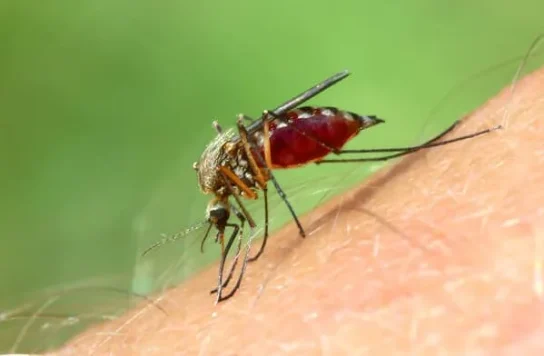
Time-of-year pest activity also counts. Warmer months can increase ants, wasps, and other insect control concerns, while colder periods often push rodents indoors. In a neighbourhood with a mix of older homes and condominiums, pest control Scarborough service calls often involve a combination of inspection, exclusion, and preventive measures rather than a one-time fix.
People staying in rental housing or vacation rentals should inspect bedding, baseboards, and kitchen areas for bed bugs or other signs of pest activity. Residents should treat any repeat concern as a maintenance concern, not just a nuisance. A licensed technician can identify entry points and recommend a customized treatment plan based on the building type and level of infestation.
Common Pest Issues in Richmond Hill Compared with Scarborough
Richmond Hill’s suburban housing pattern alters the way pest problems appear. Many properties are detached homes with attics, basements, garages, and larger yard spaces. That means pest activity often originates in less visible areas, such as attic insulation, basement storage rooms, or utility spaces. Squirrels may enter through roof openings, while mice may use small foundation gaps or garage access points to get indoors.
Compared with Scarborough, Richmond Hill may have fewer issues tied to high-traffic apartment corridors, but suburban housing still creates plenty of opportunities for pests. Basements with moisture issues can support ants or cockroaches, and attics can be vulnerable to rodent nesting. Because homes are often more isolated from one another, homeowners may not notice infestation signs as quickly, which makes routine property inspection necessary.
Both cities benefit from proactive pest control, but the priorities differ. In Scarborough, urban density and mixed residential use often heighten the need for fast response and coordinated residential pest management. In Richmond Hill, attention to home maintenance, rooflines, and basement conditions often has a bigger impact on prevention.
Best Activities for Visitors in Scarborough
Travelers to Scarborough have many standout destinations that make the east end of Toronto interesting. The Scarborough Bluffs are the best known, offering lakefront views, walking paths, and a landscape that feels one-of-a-kind within the city. It is one of the top spots to appreciate how Scarborough’s natural edges define its identity.
Rouge National Urban Park is another big draw. Its mix of trails, wetlands, and wildlife makes it a uncommon urban park experience, and it also reflects the area’s environmental factors. As the park sits near developed neighbourhoods, visitors may see the connection between city life and urban wildlife more clearly here than in many other parts of Toronto.
The Toronto Zoo is also a key destination for families and day-trippers. It adds to Scarborough’s reputation as a useful visitor destination because it combines easy access, large-scale attractions, and nearby natural spaces. If you are building a visitor guide for the east end, Scarborough offers one of the richest mixes of outdoor views and family attractions in the Greater Toronto Area.
Top Places to Do for Visitors in Richmond Hill
Richmond Hill delivers a quieter visitor experience, with parks and local landmarks that reflect its suburban feel. Crosby Park is a good example of a neighbourhood green space that encourages walking, relaxation, and family outings. It is the type of place where visitors feel the slower pace and strong residential feel of the area.
Mill Pond Park is another top pick, especially for people who enjoy scenic walks, open space, and seasonal views. It brings Richmond Hill a peaceful, community-oriented atmosphere that stands apart from Toronto’s denser urban zones. For visitors who prefer a more local and less hurried experience, it can be a major draw.
The David Dunlap Observatory brings a different layer to Richmond Hill’s identity. It connects the area to science, history, and heritage, making it more than just a bedroom suburb. Together, these attractions show how Richmond Hill blends family neighbourhoods, green space, and cultural landmarks.
Housing, Lifestyle, and Living Cost Variations
The housing mix in Scarborough and Richmond Hill affects both daily living and living cost decisions. Scarborough has a broader range of rental housing, condominiums, and older detached homes, which can make it more accessible to renters and first-time buyers in some pockets. Richmond Hill is more strongly associated with detached homes and suburban neighbourhoods, which often means larger lots and a different type of maintenance responsibility.
For families, the choice often comes down to environment and routine. Scarborough offers urban convenience, public transit access, and a wider range of https://sites.google.com/view/pest-control-in-scarborough/ housing styles. Richmond Hill offers more space, quieter streets, and a suburban lifestyle that can feel more settled. Both cities have family neighbourhoods, but the character of those neighbourhoods is different because of density, transit, and surrounding land use.
Mosquito Man Scarborough1225 Kennedy Rd, Scarborough, ON M1P 4Y1, Canada
+1 647-243-7241
https://maps.app.goo.gl/8SuLx1MkkqVJFc2m9 https://mosquitoman.ca/pest-control/scarborough/
43.7561897, -79.2751574
Property maintenance also affects long-term value and comfort. In Scarborough, condos and older homes may need more attention to shared systems, entry points, and moisture issues. In Richmond Hill, detached homes may require more exterior upkeep, especially around basements, rooflines, and landscaping. These differences matter for pest control too, since prevention is often tied directly to maintenance habits.
Whenever to Contact a Local Pest Control Company in Scarborough
If you observe recurring pest activity in Scarborough, it is usually smart to contact a local pest control company as soon as possible. A thorough inspection can identify the source of the problem, whether it involves mice in a utility area, ants near a kitchen, cockroaches in a shared building, or wasps around exterior entry points. Prompt action reduces the chance that a small issue becomes a larger infestation.
A careful pest inspection should look for entry points, damaged screens, moisture issues, food access, and nesting areas. In many cases, blocking access is just as critical as treatment. Blocking gaps, enhancing sanitation, and addressing building vulnerabilities can be the key between a short-term fix and a lasting result.
Preventive service is particularly useful in a city like Scarborough, where the mix of condos, older homes, and rental units offers many possible routes for pests. A licensed technician can suggest a plan suited to the building type and the season. This method is more effective than waiting until rodents or insects become visible in multiple rooms.
Visitor Tips for Remaining Comfortable in Both Cities
Whether you are staying in Scarborough or Richmond Hill, some simple habits can improve comfort during your trip. Weather patterns in the Greater Toronto Area can affect everything from indoor humidity to outdoor pest activity, so it helps to prepare for changing conditions. Spring and summer are especially active periods for ants, wasps, and other insects, while colder months can increase rodent pressure indoors.
If you want to enjoy al fresco dining, inspect patios for cleanliness and covered food storage. This is important in both cities, particularly during hotter weather. When staying in hotel stays, have a quick check at the mattress seams, headboard, and luggage rack area for bed bugs before unpacking. Smart travel habits are a basic part of pest prevention.
Visitors should further be mindful of surrounding surroundings. In Scarborough, being near to parks and natural borders near Rouge National Urban Park can result in more wildlife nearby, including squirrels and other urban wildlife. In Richmond Hill, suburban lots and landscaped yards can create different exposure points. In both cities, basic sanitation and awareness of infestation signs go a long way toward staying comfortable.
FAQ: Scarborough vs Richmond Hill for Tourists and Homeowners
Is Scarborough more susceptible to pests than Richmond Hill?
Scarborough can experience more mixed pest pressure because of its urban density, mixed housing stock, and proximity to natural areas. That does not mean Richmond Hill is pest-free. Richmond Hill has its own concerns, especially in detached homes with attics and basements. The difference is that pest control Scarborough concerns often involve more diverse entry points and building types.
What are the most common pests in Scarborough homes?
Common pests in Scarborough homes include mice, ants, cockroaches, bed bugs, wasps, and sometimes squirrels. The exact issue depends on the building type, season, and surrounding environment. Older homes, condominiums, and rental housing each create different conditions for pest activity.
What time is the best time to book pest control in Scarborough?
The best time is as soon as you notice infestation signs, but preventive service before peak seasonal infestations is also smart. Spring and summer are often busy for insect control, while fall is important for rodent control as mice look for indoor shelter. A licensed technician can tailor a treatment plan to the season and property type.
In what way do Scarborough and Richmond Hill compare for visitors?
Scarborough is often better for visitors who want the Scarborough Bluffs, Rouge National Urban Park, the Toronto Zoo, and easier access to Toronto’s east-end attractions. Richmond Hill suits visitors who prefer parks like Crosby Park and Mill Pond Park, plus heritage stops like the David Dunlap Observatory. Both are useful visitor guide options, but they offer different city experiences.

What should homeowners do to prevent mice and ants in the GTA?
Homeowners should focus on exclusion, sanitation, and routine property inspection. Seal entry points, store food properly, reduce moisture, and keep basements, kitchens, and garages clean. This matters in both Scarborough and Richmond Hill because climate, home maintenance, and suburban neighbourhoods all influence pest activity across the Greater Toronto Area.