Flea and Tick Treatment in Toronto: Guide to Pest Control
Toronto residents and leaseholders dealing with flea problems or ticks often need more than a quick spray. A proper fix depends on pinpointing the source, handling pets and your home at the same time, and using a approach that fits the city’s housing mix. That is why many people start with pest control Toronto solutions that are familiar with everything from downtown condos to detached homes in Scarborough, North York, Etobicoke, and East York.
Whether you are facing a visible flea infestation, a suspected tick infestation, or ongoing bites that seem to come back after cleaning, the best approach is usually a blend of an inspection, focused treatment, and prevention. In Toronto, that often means working with a specialist that knows how to handle shared walls, hallways, pet-friendly buildings, and seasonal spikes in parasite pressure across the GTA.
What flea and tick treatment in Toronto includes
Reliable flea and tick treatment Toronto options are centered on integrated pest control, not just a one-time application. This typically starts with a professional inspection to confirm whether the issue is fleas, ticks, or another pest altogether. The technician then identifies where the infestation is active, how far it has spread, and which rooms, fabrics, and entry points need attention.
In Toronto homes, treatment often includes indoor control for adult fleas, larvae, and eggs, plus advice on outdoor exposure areas when ticks are involved. In pet-focused homes, the plan usually connects pest control with pet care, sanitation, and cleaning routines. This is important because fleas and ticks can be carried indoors on animals, clothing, and soft furnishings, especially during warm weather and shoulder seasons.
Good parasite control in Toronto is also practical. A provider should explain what will be treated, whether a residual spray is part of the service, and what follow-up steps are needed. The goal is not simply to knock down visible pests, but to interrupt the full life cycle so the infestation does not rebound.
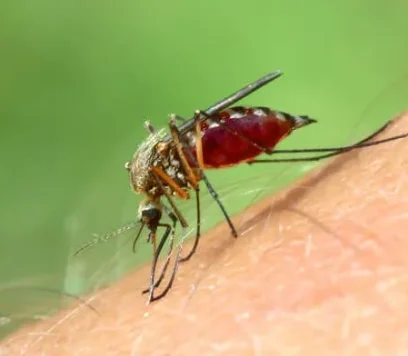
Clues you might need pest control Toronto for fleas or tick problems
You could need professional help if you notice adult fleas hopping on flooring, pet bedding, or socks, or if you notice tiny white larvae in carpet edges and pet resting spots. Flea problems often start first in pets and households where animals sleep on couches, beds, or rugs. In condos, the issue can spread faster because people share hallways, laundry rooms, and sometimes even building-maintained pet areas.
Ticks are a different concern. They may be brought inside after time outdoors, especially during warmer months when seasonal activity increases across the GTA. Some Toronto residents find them after park visits, backyard use, or travel with pets. Even if you only find one tick, it is worth paying attention, because an isolated sighting can point to a broader exposure risk.
Mosquito Man Toronto224 King St W #2401, Toronto, ON M5J 0A6, Canada
+16472437241
https://maps.app.goo.gl/VbxNrosScd6ZL8U39
https://mosquitoman.ca/pest-control/toronto/
JJX7+23 Toronto, Ontario, Canada
Another sign you need help is repeated itching, bites around ankles or legs, or fleas returning after vacuuming and washing. If you have already cleaned thoroughly but the issue persists, a professional inspection can reveal hiding places in carpets, furniture seams, baseboards, and cracks where pests remain protected.
How flea and tick management functions in Toronto homes
In Toronto homes, especially apartment units and row houses, treatment has to account for how pests move through narrow areas and soft materials. Fleas commonly hide in bedding, carpets, the seams of furniture, and along baseboards. They also gather in cracks and crevices where eggs and larvae are protected from casual cleaning.
A technician may put down a residual spray to targeted areas after a careful inspection. This helps create continued protection in locations where new adult fleas may emerge. Depending on the situation, treatment may also include detailed instructions for laundering bedding, vacuuming, and treating pet resting zones. For heavier cases, the plan may involve an additional visit.
Because Toronto has so many high-density buildings, treatment often needs to be planned carefully. Shared walls and common areas can make it harder to isolate the source. In pet-friendly buildings, a pest control provider may also recommend steps for the unit owner, building management, and tenants to reduce reintroduction. That is especially important where infestations are linked to shared corridors, storage lockers, or common laundry areas.
Professional services generally work best when paired with strong sanitation habits. Flea eggs and larvae can survive in overlooked textile fibers, so cleaning is part of the solution, not just a supplement. If the building or home has ongoing moisture, clutter, or heavy pet traffic, those factors can make treatment slower and more complex.
Flea and tick control Toronto cost: what influences the price
The pest control Toronto cost for fleas or ticks depends on the type of home, size of the infestation, and how much labour the job requires. A standalone house in Toronto may be priced differently from a condo unit with shared access points or a multi-unit rental property. The broader pest control cost Ontario picture also varies by service intensity, urgency, and whether follow-up is included.
When people search for pest control prices near me, they usually see a wide range because treatment is rarely uniform. A simple preventive visit is not the same as a full infestation response. The more rooms involved, the more furnishings that need attention, and the more coordination required, the higher the total price is likely to be.
Toronto pricing is also influenced by demand. Quick scheduling, evening scheduling, and service coverage across downtown, Scarborough, North York, Etobicoke, and East York can affect availability and cost. If a provider includes a detailed inspection, written recommendations, and a follow-up visit, that may cost more upfront but can reduce the chance of recurring problems.
How infestation severity changes the price
Infestation severity is one of the most important pricing factors. A light problem in one room may be resolved with a single treatment and basic sanitation guidance. A major problem, especially one involving multiple rooms, pets, and soft surfaces, can require more labour, stronger preparation, and a scheduled follow-up visit.
Sanitation also affects the final cost and outcome. If the home is cluttered, if bedding and pet items need special handling, or if vacuuming has to be repeated over several days, technicians may need more time on site. Good sanitation does not replace treatment, but it improves the odds that the treatment works the first time.
For Toronto residents, the best way to compare price is to ask what is included: inspection, treatment areas, pet-safe instructions, follow-up timing, and any guarantees. A lower quote is not always the better value if it excludes the second visit needed to fully break the infestation cycle.
Reasons why Toronto pricing vary from other GTA cities
Toronto costs often change from local GTA cities because of transit time, building access, parking, and the type of housing stock. For example, pest control Mississauga may have distinct service patterns than central Toronto, while pest control Brampton prices can show another mix of detached homes and suburban properties. pest control Hamilton prices may vary further because of local competition and distance from the Toronto core.
In practice, Toronto can sometimes be higher-priced for the same service because of condo access rules, denser scheduling, and the need to work around elevators, loading docks, or building managers. The same kind of issue may be cheaper or simpler in some surrounding cities, but that does not mean the result will be better. The right provider should quote according to the actual work required, not just the postal code.
People looking for pest control Toronto cost should compare service details, not just numbers. A quote in Toronto that includes inspection, targeted treatment, and follow-up may be better value than a slightly cheaper option elsewhere with fewer inclusions.
When to search for pest control near me and best pest control near me
If you see fleas on pets, bites on family members, or recurring signs after cleaning, it is worth searching for pest control near me. If you prefer a provider that can respond quickly and understands apartment buildings, pet households, and local conditions, you may also look for the best pest control near me rather than the nearest listing.
Across Toronto, fast access is important. A solid local provider should offer a professional inspection and, when possible, same-week service. This helps when the infestation is spreading in a condo, if a landlord needs documentation, or if a pet-friendly building has shared exposure points. A provider who works across downtown and the surrounding neighbourhoods is also more likely to understand the access challenges that come with older homes, multiplexes, and high-rise units.
Relying on speed alone is not enough. Find out whether the company explains the treatment plan clearly, works with indoor-only and pet-related infestations, and provides prevention guidance. For a parasite issue, the best provider is often the one that combines responsiveness with a clear process.
The Toronto area prevention guidance for households, condominiums, and pet parents
Preventive care is especially important in Toronto because seasonal activity tends to rise in warmer months and can continue indoors through the heating season. After fleas or ticks are indoors, heated buildings can keep conditions favourable long after outdoor weather changes. That is why preventive treatment and routine cleaning are valuable in homes, condos, and pet households.
Consistent vacuuming is one of the most effective habits. Pay attention to carpets, furniture edges, and especially baseboards where pests can hide. Empty the vacuum carefully so you do not reintroduce eggs or larvae. Wash pet bedding regularly and keep pet resting areas as neat and uncluttered as possible.
For condo residents, treat shared-wall living seriously. If your unit has a recurring problem, talk to building management early, since common hallways, pet areas, and neighbouring units can all affect reinfestation risk. In detached homes, inspect entrances, laundry zones, and any areas where pets enter from outdoors.
Pet owners should also coordinate home cleaning with veterinary parasite control where appropriate. Home treatment alone may reduce visible pests, but if pets continue carrying eggs or adult fleas inside, the cycle can continue. A coordinated approach is usually the best.
In what way does Toronto flea and tick control measures up with various pest services
Flea and tick work is different from a lot of common pest treatments because the problem is closely linked to pets, fabrics, and repeated re-exposure. By contrast, bed bug heat treatment Toronto services are usually centered on whole-room heat applications and intensive preparation. The cost of bed bug treatment is often more expensive than flea work because the preparation, equipment, and monitoring can be more demanding.
In a similar way, cockroach exterminator Toronto cost depends on kitchen access, baiting, shelter areas, and follow-up visits. Cockroach jobs often focus on food prep areas, plumbing lines, and concealed spots behind appliances. Flea-and-tick treatment, on the other hand, targets fabric surfaces, pet zones, and movement between indoor spaces and the outside environment.
This difference matters when evaluating pest quotes. A business may be strong at bed bugs or roaches but less specific about parasite control in homes with pets. For flea and tick work, the provider should be familiar with laundering, vacuuming, and the timing of treatments around pets and daily routines.
How to select a dependable Toronto pest control provider
The right company should deliver environmentally responsible treatment choices if available, particularly in homes with children and pet-friendly condos. That does not mean skipping proven products. Rather, it means using precise methods, specific application areas, and guidance that reduces unnecessary exposure while still addressing the problem.
Choose https://richmond-hill-onpq228.zenbloomer.com/posts/how-to-handle-pest-control-in-a-toronto-apartment-building a provider that relies on integrated pest management rather than a spray-only strategy. It should cover an assessment, identifying the cause, targeted treatment, and ongoing follow-up. A good provider should also explain what is required before service, what the treatment includes, and whether a follow-up visit is included if activity continues.
Area expertise also matters. A Toronto service should be comfortable working across downtown, Scarborough, North York, Etobicoke, and East York, and should recognize how condo rules, pet buildings, and seasonal pest patterns affect treatment. Check whether they have experience with homes like yours, whether they provide fast scheduling, and how they handle repeat infestations.
It can also help to review what is covered with wider Ontario and Canada-wide costs. For instance, a service that looks pricey in Toronto may be roughly equivalent to other markets once inspection, re-treatment, and building access are considered. In other places, such as pest control London Ontario or pest control Kitchener, local pricing structures may change because of travel and service density. Even farther east, pest control Fredericton NB markets may have different service expectations, including companies like adams pest control Fredericton and adams pest control Moncton. Western comparisons such as pest control Edmonton prices can also differ significantly. The point is to judge similar services against each other.
When evaluating options, keep your real problem in mind. If you are asking yourself about how much is pest control for mice or considering diy fumigation for mice, that is a separate service category entirely. Likewise, if you are comparing flea and tick services to rodent or bed bug work, the materials, timing, and labour can be substantially different.
Frequently Asked Questions: Toronto flea and tick treatment
How much does flea and tick treatment Toronto typically cost?
The price varies based on unit size, infestation severity, and whether the job includes inspection and follow-up. In Toronto, a quote may be costlier than in some surrounding areas because of condo access, building rules, and scheduling demand. Ask for a complete breakdown so you can compare the pest control Toronto cost properly.
How quickly does pest control Toronto take to work on fleas and ticks?
Some adults may be reduced rapidly, but complete control usually takes time because eggs and larvae can continue developing after the first treatment. The timeline depends on infestation severity, cleaning, and whether a follow-up visit is needed. In many homes, a blended treatment and sanitation plan works most effectively.
Do I need to handle my pets and house at the same moment?
Indeed, that is usually the smartest option. If you only handle the home but not the pets, fleas can come back. A joint plan safeguards pets and households by targeting the source of reintroduction and the areas where eggs, larvae, and adult fleas hide.
Is pest control near me better than a national chain for Toronto homes?
Not always, but a local provider can be a solid choice if they understand Toronto condos, shared walls, and neighbourhood-specific access issues. The best pest control near me is the one that delivers a detailed inspection, clear communication, and treatment designed for your housing type and exposure risk.
What should I do before and after a flea and tick treatment?
Before treatment, follow the technician’s instructions on vacuuming, removing clutter, and preparing bedding and pet items. After treatment, continue sanitation, keep up with vacuuming, and avoid undoing the work by skipping laundering or letting pets return to untreated areas too soon. If asked, schedule the follow-up visit so the infestation is fully addressed.