Can Unwanted pests Come Through Walls in North York Townhomes?
Can pests really pass through walls in townhomes?
Yes, pests can move through walls in North York townhomes, especially where shared walls join one unit to another. In shared housing, pests do not need a wide opening to get through. Small entry points, hidden wall voids, and tiny structural gaps can be enough for insects and rodents to move from one space to the next.
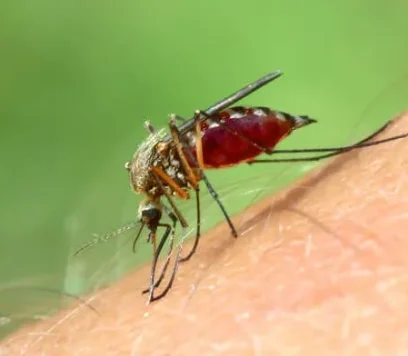
From a resident’s point of view, this often feels unclear: you may keep your own home clean and still see activity along a baseboard or hear movement in the wall. That happens because pests are not always starting inside your unit. They may be nesting in a neighbouring wall cavity, moving through shared infrastructure, or following moisture and warmth between units.
In North York, this issue is especially common in both older low-rise townhomes and newer multi-unit residential developments. Areas like Willowdale, Downsview, and York Mills have a mix of housing styles, and each can create different pest risks. Older buildings may have more wear, while newer developments can still have service penetrations and shared utility chases that allow pests to move.
The key is understanding that pest movement through walls is usually about access, shelter, and food. If a pest finds a harborage site, a warm wall cavity, or an overlooked crack, it may use that route again and again. That is why pest control North York services often focus not just on treatment, but on locating the full entry route and preventing a repeat issue.
What insects are most apt to pass through wall voids?
Some pests are especially adept at using wall voids as hidden travel corridors. In townhomes, the primary culprits are cockroaches, mice, and ants, but residents may also encounter silverfish, bed bugs, and cluster flies depending on the weather and the structure conditions.
Cockroaches are one of the most common wall-dwelling pests in multi-unit housing because they can compress their bodies and move through extremely narrow gaps. They often follow food crumbs, grease, and moisture, making kitchens and bathrooms common hotspots. In a townhome, they may travel along shared plumbing or behind appliances before appearing in living areas.
Mice are also highly mobile in wall systems. They use insulation, pipe chases, and ceiling or wall cavities for nesting and can squeeze through surprisingly small openings. Once inside, they leave behind droppings, scratch marks, and sometimes grease trails along repeated pathways. Because rodents follow the same routes, rodent activity often shows up in the same area repeatedly.
Ants frequently move through walls in search of food and moisture. Even a small spill or a damp section near a sink can draw a colony into the structure. Ants may also enter through exterior cracks and then enter shared walls if they find a stable route.
Silverfish prefer humid, dark spaces and may live inside wall spaces near bathrooms, laundry rooms, or unfinished storage areas. Bed bugs are different because they hitchhike on belongings, but they can also hide in wall voids, baseboards, and electrical outlets when a unit becomes infested. Cluster flies can enter wall spaces seasonally and emerge indoors when temperatures shift.
How pests enter North York townhomes from neighbouring units
In many instances, pests never “break in” through drywall. They use existing building features that connect units. The main pathways in North York townhomes include pipe pass-throughs, electrical openings, and openings behind skirting boards.
Plumbing penetrations are places where pipes pass through walls, floors, or cabinets. If those openings are not properly sealed, they can become hidden access routes. Moisture around sinks, tubs, dishwashers, or laundry hookups can also attract pests and create perfect nesting spots.
Electrical outlets can be another weak point, especially when outlets are installed on shared walls. Pests can move behind outlet covers and use the surrounding cavity as a protected pathway. This is why residents sometimes hear movement or see signs near a single outlet even though the main nest is elsewhere.
Openings around skirting boards are also common, especially in older townhomes where settling has created splits and openings. These openings may be small, but they can be enough for ants, cockroaches, and mice. In some homes, pests may move from one unit to another along the hidden space behind trim and drywall.
For North York residents, the practical challenge is that these pathways are often part of a larger shared system. A pest problem in one unit can easily become a neighbouring-unit issue if the wall cavity, utility chase, or common service line is not addressed. That is why residential pest control in townhome settings usually requires more than one unit to be inspected or monitored.
Indicators pests may be within your walls
When pests are present inside walls, the signs are often subtle at first. Still, there are a few clues that point to an infestation in a wall cavity rather than in an exposed room.
Droppings are one of the most obvious indicators. Mouse droppings may appear near baseboards, under sinks, behind appliances, or in storage spaces. Cockroach droppings are tiny and may look like pepper or coffee grounds in hidden corners. If you keep finding droppings in the same area after cleaning, there may be a hidden nesting site nearby.
Scratch marks or faint scratching sounds inside walls, especially at night, can suggest rodent activity. Mice are more active after dark and may travel along the same routes repeatedly. If the sound seems to come from behind a kitchen wall, bathroom wall, or shared wall with a neighbouring unit, a hidden passage may be involved.
Grease trails can appear where rodents repeatedly brush against a surface. Mice and rats leave body oils on edges, joists, or wall access points. In some cases, these trails are faint, but they are an important sign that the route is being used often.
Other signs may include unpleasant odours, gnawing damage, and visible gaps around pipes or trim. If you notice activity but cannot see the pest directly, the problem may be hidden in the structure rather than in plain sight. That is why a careful inspection checklist matters. It should look beyond the room itself and into wall voids, service areas, and adjoining surfaces.
Why North York townhomes are vulnerable to wall-to-wall infestations
There are several reasons why North York townhomes are vulnerable to building-wide infestations. The first is shared infrastructure. Townhomes often share walls, utility runs, or common framing details with neighbouring units, which gives pests multiple potential travel paths.
A second factor is older construction. Older low-rise townhomes in parts of North York may have increased settling, worn seals, or original construction details that were not designed with modern pest prevention in mind. Small cracks can grow over time, creating better entry points for rodents and insects.
A third issue is that many local townhomes are part of managed properties or condo-style communities. That means condo boards, property managers, and maintenance teams may all share responsibility in response timing. When several decision-makers are involved, there can be delays between reporting a problem and completing repairs or treatment. Condo bylaws can also affect access, responsibility, and the order in which units are inspected.

Seasonal pressure matters too. In Toronto and North York, temperature swings in fall and winter often drive pests indoors. Rodents look for warmth and shelter, while insects may move deeper into wall spaces to escape cold conditions. That makes colder months a common time for pests to show up in kitchens, basements, and utility areas.
In practical terms, a pest problem in one North York townhome can become a building-wide issue if the shared wall, service line, or common chase is not addressed quickly. That is why prevention and early monitoring are so important in multi-unit residential settings.
Steps to take if you think you have pests in the walls
If you believe pests are inside the walls, start with a targeted inspection rather than trying to infer the source. Watch for movement, record where you see signs, and note whether the activity is near plumbing, outlets, cabinets, or shared walls. The more precise your observations are, the simpler it is to trace the problem.
Next, search for obvious openings that can be addressed right away. Sealing cracks around pipes, trim, and utility penetrations can reduce movement, but sealing alone should not substitute for proper treatment if an infestation is already established. It is important to seal access only after confirming where pests are active, otherwise you may confine them in the wrong place or push them deeper into the structure.
If there are clear signs of rodents or insects, arrange professional treatment as soon as possible. A qualified technician can determine whether the issue is limited to one unit or whether neighbouring walls, common spaces, or utility channels are involved. They can also identify whether the problem is best handled with traps, baiting, dusts, non-chemical methods, or a blend of approaches.
For townhome residents, it is also smart to notify the right people early. Depending on the property setup, that may include property management, a landlord, or the condo board. In managed communities, the response can depend on access and bylaws, so acting quickly helps prevent delays.
How pest control in North York helps stop recurring problems
Reliable pest control North York treatments are especially helpful valuable in town houses because they treat the whole problem, not just the obvious sign. A good treatment plan typically brings together inspection, targeted control, sealing, and monitoring so the infestation does not return.
One of the most efficient approaches is integrated pest management. This approach uses a mix of chemical-free methods, structural correction, sanitation, and targeted treatments. Instead of depending solely on sprays, the technician looks for the origin, the hiding place, the nesting site, and https://mississauga-onor813.hexaforgey.com/posts/distinctive-places-to-explore-in-north-york-on-offbeat-sites-and-neighbourhood-outings the entry route. That makes the solution more durable and minimizes the chance of a repeat issue.
For example, if mice are using a gap around a pipe, a technician may recommend exclusion work plus trapping and follow-up monitoring. If cockroaches are moving through a shared wall, treatment may need to extend beyond one unit and include other affected spaces. If ants are entering through a crack near a bathroom, the solution may involve moisture correction and sealing along with baiting.
Follow-up treatment is often what distinguishes a temporary fix from a lasting solution. Many pests are not eliminated in one visit if they are hiding in wall cavities or if nearby units are also affected. Follow-up service allows the technician to confirm whether activity is dropping, whether traps need adjustment, and whether more exclusion work is needed.
This is also where local experience makes a difference. A provider experienced in North York’s townhome layouts, managed properties, and condo-by-law requirements can work more efficiently with residents and property management. That helps keep the process organized and focused on prevention, not just emergency response.
How to prevent problems for townhome residents and renters
Keeping pests in shared-wall housing takes steady habits and a hygienic routine. The aim is to remove access to food, water, and shelter so pests have fewer reasons to move into your unit.
- Practice good sanitation in kitchens, laundry areas, and storage rooms. Wipe down counters, sweep up crumbs, and remove grease buildup regularly.
- Use secure food storage containers for dry goods, pet food, and snacks. Avoid leaving food out overnight.
- Improve moisture control by fixing leaks, drying wet areas quickly, and using ventilation in bathrooms and kitchens.
- Look around electrical outlets, pipes, and trim for cracks and gaps, then schedule proper sealing where needed.
- Minimize clutter in closets, basements, and utility rooms so pests have fewer hiding spots.
- Watch high-risk areas near shared walls, especially if neighbours have reported issues.
If you rent, keep records of what you see, the time you notice it, and where it appears. That documentation can help with property management response and can support faster action under condo bylaws or rental responsibilities. If you own the unit, keep a simple monitoring log so you can notice patterns early.
Because North York townhomes often sit in managed communities, prevention also includes communication. If there is a shared problem in the building, reporting it quickly can help property management arrange a larger response before the issue spreads.
When you should call a licensed exterminator
Call a licensed exterminator if you are seeing droppings again and again, persistent scratch marks, or new evidence after cleaning and basic sealing. A recurring infestation is a clear sign that the source has not been removed or that pests are entering from a neighbouring unit. That is especially true in shared-wall housing, where the issue may involve multiple property boundaries.
You should additionally call sooner if you are not sure whether the pest is mice, cockroaches, or some other pest, because the treatment plan depends on the pest. A licensed expert can determine the pest, assess the damage, and tell you whether the service includes a warranty or scheduled follow-up visits. For many North York residents, that additional protection is important because wall-based infestations can be difficult to solve without ongoing checks.
What an inspection should include
A thorough evaluation should be not just a fast basic review. It needs to include a inspection of wall voids, cabinets, service openings, baseboards, and shared walls. It should also include an inspection checklist that checks for entry points, moisture, food sources, nesting signs, and the condition of trim and sealing.
Sometimes, infrared scanning can assist in locate warmer activity zones, dampness problems, or movement out of sight behind walls. Not every inspection needs it, but it can be useful when the source is hard to find. The inspection should also show where sealing work is needed so the unit can be sealed effectively after treatment.
Whenever a technician understands how pests move within wall cavities, the inspection becomes part of a broader protection strategy. This means not only solving the current issue, but also minimizing the chance of the same pest coming back through the same path.
FAQ
Do pests pass between townhome units through the walls?
Definitely. In North York townhouses, pests can spread between homes through adjacent walls, empty wall cavities, service entry points, and other structural gaps. Cockroaches, mice, and common ants are especially likely to use these routes, but other unwanted insects can also pass through concealed areas.
Which pests are most common in North York townhomes?
One of the most frequent pests in this environment are cockroaches, mice, and ants. Tenants may also deal with silverfish, bed bugs, and cluster flies depending on the season, the building age, and the amount of shared infrastructure in the property.
How do I know if pests are in my walls or ceilings?
Check for droppings, scratch marks, grease trails, faint movement sounds, and activity that keeps returning in the same place. Pests in walls often show signs near baseboards, outlets, cabinets, or plumbing areas rather than out in the open.
Should I contact my landlord, condo board, or pest control first?
In many North York townhomes, the most practical first step is to report the issue to the landlord, condo board, or property management, depending on how the property is run. At the same time, contacting pest control can speed up the inspection and treatment process, especially if there are visible signs of infestation.
How can I prevent pests from coming through shared walls?
Emphasize sanitation, food storage, and moisture control, and have cracks and gaps sealed around pipes, baseboards, and outlets. In managed properties, report problems early so property management can address shared access points and coordinate exclusion work where needed.